



There’s a plethora of business loan options available for startups looking to secure funding for their ventures. Navigating the world of business financing can be daunting, but with the right knowledge and guidance, entrepreneurs can make informed decisions that pave the way for their company’s success. In this blog post, we will explore some of the top business loan options for startups, along with valuable financing tips to help turn your business dreams into reality.
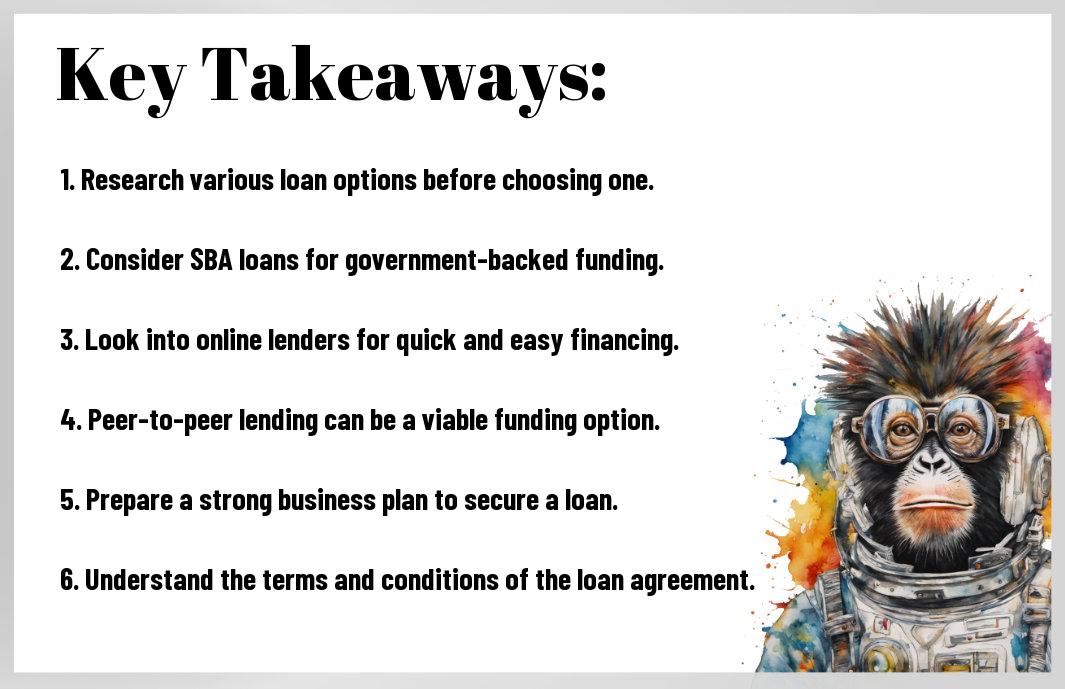
Key Takeaways:
- Consider different loan options: Explore various business loan options such as SBA loans, equipment financing, business lines of credit, or personal loans to find the right fit for your startup.
- Understand your credit score: Your personal and business credit score will play a crucial role in determining the loan terms and interest rates you qualify for.
- Prepare a detailed business plan: Lenders will want to see a well-thought-out business plan that explains how you will use the funds and how your startup will generate revenue to repay the loan.
- Compare loan terms and interest rates: Shop around and compare loan terms, interest rates, and fees from different lenders to ensure you are getting the best deal for your startup.
- Build a strong relationship with your lender: Establishing a good relationship with your lender can be beneficial for future financing needs and can help you negotiate better loan terms.
- Be aware of the risks: Borrowing money for your startup comes with risks, so make sure you understand the terms of the loan and have a plan in place to repay it to avoid financial complications.
- Seek professional advice: Consider consulting with financial advisors or business consultants to get expert guidance on the best financing options for your startup and how to manage your finances effectively.

Understanding the Different Types of Business Loans for Startups
A key aspect of starting a business is securing the necessary funding. There are various types of business loans available for startups, each with its own set of terms, benefits, and considerations. Here is a breakdown of some of the most common options:
| Term Loans | SBA Loans |
| Business Lines of Credit | Equipment Financing |
| Invoice Factoring |
Term Loans
Any startup looking for a lump sum of capital upfront may consider term loans. These loans come with a fixed repayment term and interest rate, making it easier for businesses to budget and plan their finances accordingly.
SBA Loans
Understanding the benefits of SBA loans is crucial for startups. These loans are partially guaranteed by the Small Business Administration, making them more accessible to businesses with limited credit history or collateral.
Business Lines of Credit
Business lines of credit offer flexibility to startups by allowing them to borrow funds up to a certain limit and only pay interest on the amount used. This can be useful for managing cash flow fluctuations or unexpected expenses.
Equipment Financing
Businesses in need of purchasing equipment can opt for equipment financing, where the equipment itself serves as collateral for the loan. This can be a cost-effective way for startups to acquire the necessary machinery without depleting their cash reserves.
Invoice Factoring
Factoring invoices involves selling accounts receivable to a third party at a discount in exchange for immediate funds. This can help startups maintain a steady cash flow and bridge the gap between invoicing and receiving payments.
Evaluating Non-Loan Financing Options
Bootstrapping
To minimize the need for external financing, many entrepreneurs choose to bootstrap their startups. This method involves using personal savings, revenue from the business, or funds from friends and family to cover initial costs. Bootstrapping allows founders to retain ownership and control of their company without taking on debt or giving up equity.
Angel Investors and Venture Capital
Venture capital and angel investors are popular options for startups seeking outside investment. Venture capital firms are institutional investors that provide funding in exchange for equity ownership. Angel investors are individuals who invest their own money in early-stage companies in exchange for ownership equity or convertible debt. These investors often provide not just funding but also strategic guidance and industry connections.
It’s important to note that securing funding from angel investors and venture capital firms can be a lengthy process, involving extensive due diligence and negotiations. Startups should be prepared to demonstrate their growth potential and be open to giving up a portion of ownership in exchange for the investment.
Crowdfunding
Venture into the world of crowdfunding to raise funds for your startup. Crowdfunding platforms like Kickstarter and Indiegogo allow entrepreneurs to pitch their business ideas to a large audience of potential investors, who can contribute small amounts of money in exchange for rewards or early access to products. Crowdfunding not only provides capital but also serves as a marketing tool, generating buzz and attracting early adopters.
Options for crowdfunding include reward-based crowdfunding, equity crowdfunding, and donation-based crowdfunding. Each type has its own set of rules and regulations, so be sure to research and choose the best fit for your startup.
Grants for Startups
With a little research and persistence, startups can tap into a variety of grants to support their growth. Government agencies, non-profit organizations, and corporations offer grants to startups working in specific industries or addressing particular social issues. These grants do not need to be repaid and can provide crucial funding to fuel innovation and expansion.
Plus, receiving a grant can enhance the credibility and visibility of a startup, making it more attractive to other potential investors down the road.
Key Factors to Consider Before Applying for Startup Financing
Your startup’s success hinges on the type of financing you secure to fuel its growth. Before plunging into the world of business loans, it’s crucial to assess your financial situation and understand what lenders look for when evaluating your application. Here are some key factors to consider:
Creditworthiness and Financial History
With lenders scrutinizing your credit score and financial history, it’s imperative to maintain a good credit standing and clean financial records. Timely payments, low debt-to-income ratio, and a solid credit history can significantly boost your chances of securing favorable loan terms.
Business Plan and Projections
An impressive business plan outlines your company’s goals, target market, and revenue projections. Lenders want to see a well-thought-out strategy that demonstrates your understanding of the market and potential for growth. To stand out, provide detailed financial forecasts and contingency plans to address potential risks.
Collateral and Guarantees
History
A lender may require collateral or personal guarantees to secure the loan, especially for startups with limited credit history. Be prepared to offer assets such as equipment, real estate, or personal assets to back the loan. Personal guarantees indicate your commitment to repaying the debt, instilling confidence in the lender.
Interest Rates and Fees
Guarantees
Financing
Strategies to Increase Your Chances of Loan Approval
Now, when seeking business loans for your startup, it’s crucial to consider different strategies that can help increase your chances of approval. One important aspect is understanding the various financing models available to fund your business. You can explore 10 Startup Financing Models to Fund a Business to determine the most suitable option for your startup’s financial needs.
Improving Business Credit Score
Loan approval for startups heavily relies on the business’s credit score. To enhance the chances of approval, focus on improving your business credit score. This can be achieved by making timely payments, reducing outstanding debts, and keeping credit utilization low.
Crafting a Persuasive Pitch and Proposal
Proposal creation is a critical component when applying for a business loan. Craft a compelling pitch and proposal that clearly outlines your business idea, financial projections, and repayment plan. Highlight your unique selling points and demonstrate a thorough understanding of your target market to showcase your business’s potential for success.
Providing Thorough and Accurate Documentation
Approval rates increase when you provide thorough and accurate documentation to the lender. Ensure all financial statements, business plans, tax returns, and any other relevant documents are up to date and well-organized. This demonstrates professionalism and transparency, instilling confidence in the lender regarding your startup’s viability.
Building a Strong Management Team
The success of a startup is often attributed to its management team. Investors and lenders look for a strong team with diverse skills and experience. Building a competent management team showcases your startup’s ability to navigate challenges, make sound decisions, and drive growth. Make sure to highlight the qualifications and expertise of your team members in your loan application.
This chapter outlines key strategies that can boost your startup’s chances of securing a business loan. By implementing these approaches, you can enhance your credibility as a borrower and increase the likelihood of loan approval.
Summing up
On the whole, understanding the various business loan options and financing tips for startups is crucial for their success. From exploring traditional bank loans to alternative options like SBA loans, venture capital, or crowdfunding, entrepreneurs have a range of choices to consider. It’s important to evaluate the needs of the business, the repayment terms, interest rates, and any associated fees before making a decision. By planning ahead, seeking expert advice when needed, and staying informed about the financing landscape, startups can secure the necessary funding to grow and thrive in the competitive business world.
FAQ
Q: What are the key factors to consider when choosing a business loan for a startup?
A: When choosing a business loan for a startup, it’s crucial to consider the interest rate, repayment terms, fees, and eligibility requirements. Understanding your financial needs and capabilities will help you make an informed decision.
Q: What are the different types of business loans available for startups?
A: Some of the common types of business loans for startups include SBA loans, business lines of credit, equipment financing, and invoice financing. Each type has its own features and benefits, so it’s important to choose the one that aligns with your business goals.
Q: How can a startup improve its chances of getting approved for a business loan?
A: Startups can enhance their chances of loan approval by improving their credit score, preparing a solid business plan, demonstrating a strong cash flow, and providing collateral if required. Building a good relationship with lenders can also increase approval odds.
Q: What are some alternative financing options for startups that may not qualify for traditional loans?
A: Startups that don’t qualify for traditional loans can explore alternative financing options such as crowdfunding, peer-to-peer lending, angel investors, and venture capital. These sources can provide funding without the stringent requirements of traditional lenders.
Q: How can a startup determine the right amount of funding to apply for?
A: Startups should carefully assess their financial needs by creating a detailed budget and cash flow projection. It’s important to apply for an amount that covers operational expenses, growth initiatives, and unexpected costs without taking on excessive debt.
Q: What should startups look for in a lender when seeking a business loan?
A: When choosing a lender for a business loan, startups should consider factors such as the lender’s reputation, interest rates, repayment terms, customer service, and flexibility. Working with a trustworthy and reliable lender can make the borrowing process smoother.
Q: How can startups effectively manage their loan repayments to avoid financial strain?
A: Startups can manage their loan repayments by creating a realistic repayment plan, setting aside funds for payments, monitoring cash flow regularly, and communicating with the lender if facing challenges. Timely repayments can help build a positive credit history and strengthen the business’s financial health.
Leave a Reply